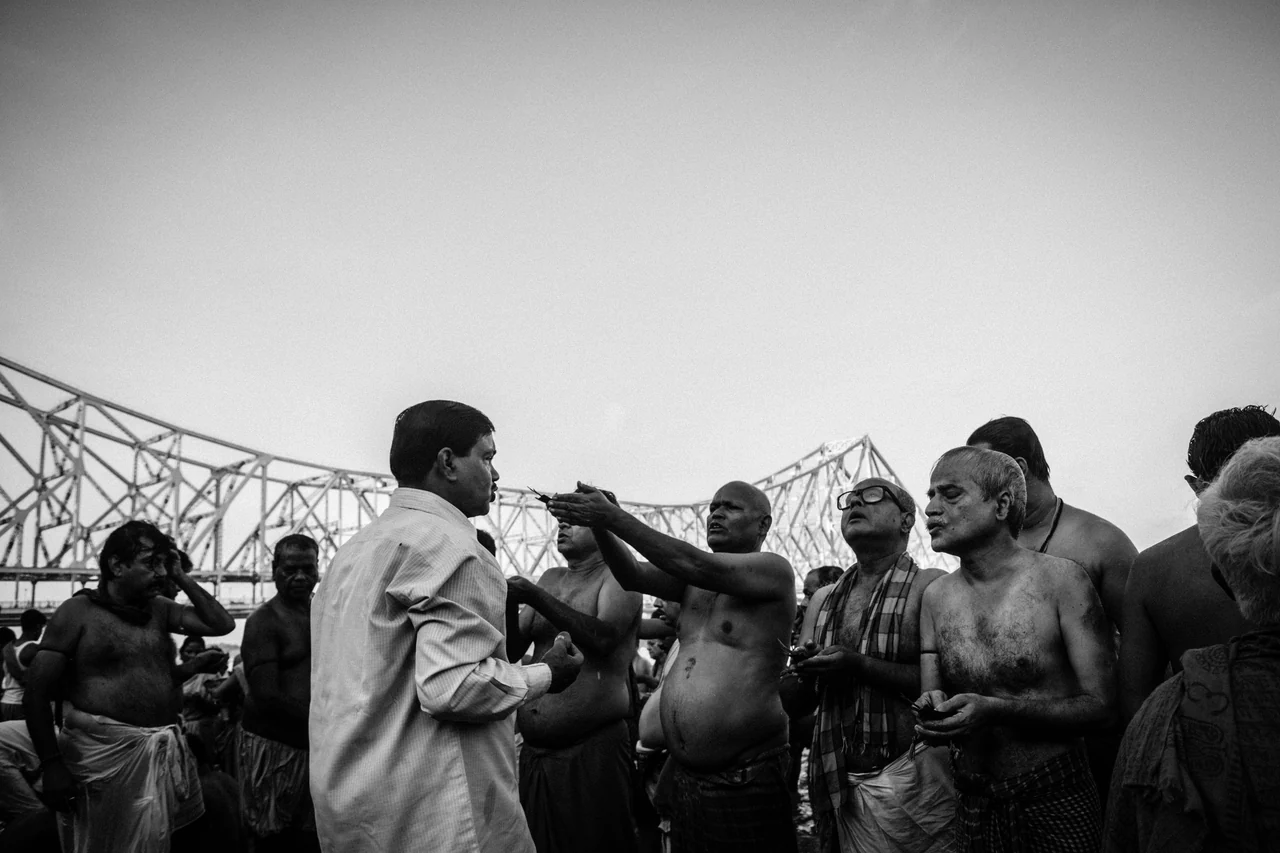
Parvana Shraddha is a form of ancestral worship in which the ancestors are honoured together with food, water and other offerings. It is associated with recurring sacred occasions, especially the new moon in the household ritual tradition. The name is also written Parvan Shraddha.
Rituals
Parvana Shraddha: meaning, occasions and offerings
The distinction that helps most is its relationship to Ekoddishta Shraddha: Ekoddishta addresses one deceased person separately, while Parvana addresses the ancestral group. Sapindikaran is the ceremony through which a newly deceased person is joined with that group.
Which ancestors are remembered?
Ashvalayana Grihya Sutra IV.7.13 addresses the father, grandfather and great-grandfather. This three-generation arrangement is central to the passages discussed here. Shankhayana IV.1.11 also describes offerings for the ancestors’ wives. Further arrangements for maternal relatives follow the corresponding family procedure.
The names and relationships identify those for whom the offerings are intended. They also connect the ceremony with the family’s remembered lineage.
What happens during Parvana Shraddha?
The household texts describe invited Brahmins, hospitality, sesame-water offerings, food and pindas, the portions of food offered to the ancestors. Shankhayana Grihya Sutra IV.1 describes these actions in its account of monthly ancestral offerings.
The broad movement is from welcoming and honouring the invited participants to the meal and ancestral offerings. The same text records differing opinions about whether the pindas come before or after the meal. A family follows the sequence of its adopted tradition.
When is Parvana Shraddha performed?
The word relates to parvan, an observance or sacred juncture in the religious calendar. Oldenberg’s note to Ashvalayana IV.7 identifies the new-moon form. Wilson’s annotation to Vishnu Purana III.13 discusses a wider set of parvan days.
During Pitrapaksha, families may follow a Parvana procedure for ancestral offerings. Pitrapaksha names the annual season; Parvana names the form of the rite. The applicable occasion and tithi are read through the family’s calendar and ritual practice.
How does it relate to rites after a death?
Shankhayana IV.2 describes the separate observance for one deceased person; IV.3 then describes Sapindikaran, the joining of that person’s offerings with the ancestors’ portions. After this transition, remembrance continues within the ancestral group.
These descriptions come from texts of household rites, so the name Parvana does not require travel to a particular pilgrimage centre. For a first understanding of the actions common to these ceremonies, see Shraddha, Tarpan and Pind Daan.
Sources & further reading
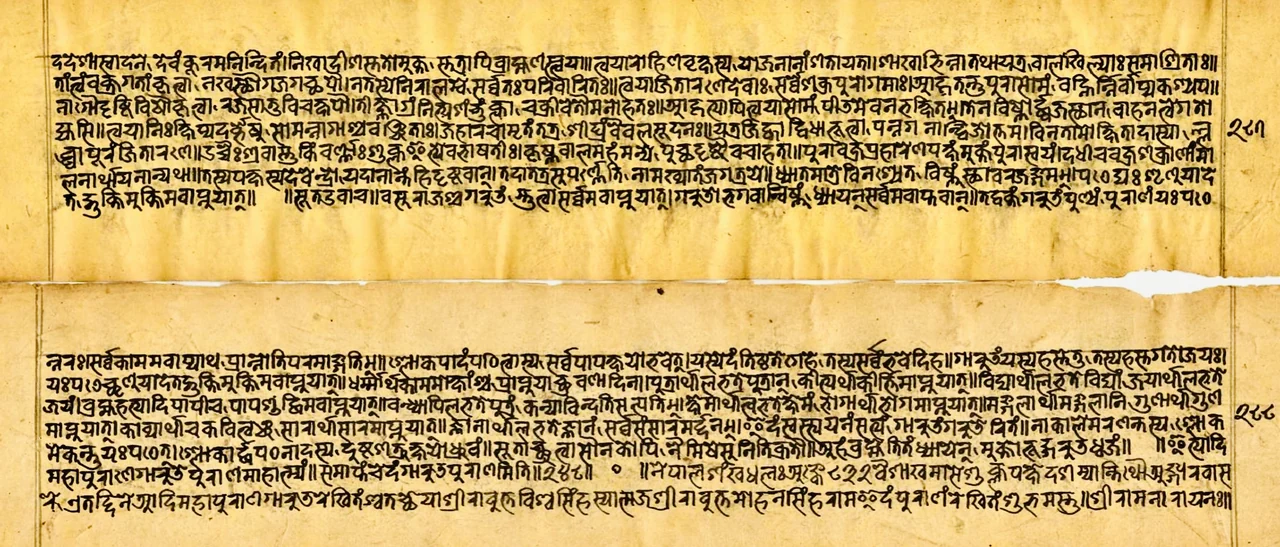
- Ashvalayana Grihya Sutra IV.7 — Hermann Oldenberg, 1886Public-domain primary translation. IV.7.1 distinguishes forms of Shraddha; IV.7.13 addresses three ancestral generations. The new-moon explanation appears in the translator’s note.
- Shankhayana Grihya Sutra IV.1 — Hermann Oldenberg, 1886Public-domain primary translation of monthly ancestral offerings, including sesame water, food and pindas. The passage records variation in the order of actions.
- Shankhayana Grihya Sutra IV.2 — Hermann Oldenberg, 1886Public-domain primary translation. Describes Ekoddishta as the rite for one deceased person, providing a comparison with collective ancestral observances.
- Shankhayana Grihya Sutra IV.3 — Hermann Oldenberg, 1886Public-domain primary translation. Describes four vessels, the joining of the deceased’s portion with ancestral portions, a corresponding pinda action and timing alternatives.
- Vishnu Purana — book III, chapter 13 (H. H. Wilson, 1840)An identified historical translation distinguishing post-death observances and incorporation into the ancestral group. Its schedule is not universalised.
Read our editorial policy for sourcing and updates.
All articles and guides